

Retrax Bed Cover
How to Fix Noises or Rattling from a Retrax Tonneau Cover
Mar
How to Fix Noises or Rattling from a Retrax Tonneau Cover
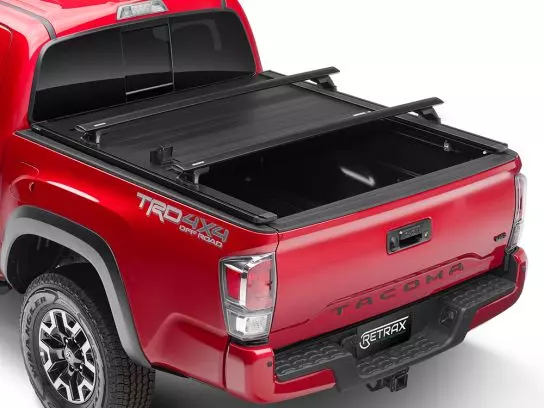
A Retrax bed cover is designed to glide smoothly and sit firmly on your truck bed, so hearing rattling, squeaks, or clunking noises can be frustrating. Noises usually come from loose components, dry rails, misalignment, or cargo moving under the cover. With a few simple checks and adjustments, you can often restore quiet, solid operation without replacing the whole system.
Common Causes of Retrax Cover Noise
Most noises come from a few predictable areas:
-
Loose mounting hardware on the rails or canister
-
Dry or dirty rails and ball‑bearing system
-
Misaligned rails causing the cover to vibrate
-
Worn or damaged rubber seals or bumpers
-
Cargo shifting inside the truck bed
Identifying where the sound comes from front canister, side rails, or tailgate area will help you fix the problem quickly.
Step 1: Check and Tighten All Mounting Hardware
Start by inspecting the basic structure.
-
Open the tailgate and look at the clamps/bolts that hold the Retrax rails to the truck bed. Gently try to move the rails by hand; any movement can cause rattling.
-
Tighten all clamps and bolts evenly on both sides, following the original installation torque as closely as possible.
-
Check the canister at the front of the bed. Make sure the brackets and bolts securing it are snug and that the canister doesn’t shift when you push it.
Even small amounts of play in the rails or canister can turn into noticeable rattles when you hit bumps or drive on rough roads.
Step 2: Clean and Lubricate the Rails
Dust, grit, and road debris can cause scraping or clicking sounds as the cover opens and closes.
-
Slide the Retrax tonneau cover fully open, then use a soft brush or compressed air to remove dirt from the rails and canister area.
-
Wipe the rails with a clean, damp cloth and let them dry completely.
-
Apply a dry silicone spray or a manufacturer‑approved lubricant to the inside of the rails and the moving slats. Avoid heavy oil or grease, which can attract more dirt.
A clean, lightly lubricated track helps the cover glide quietly and reduces vibration.
Step 3: Inspect Rail Alignment and Gap
If the rails are too close together or too far apart, the cover may bind or rattle as it moves.
-
Measure the distance between the two rails at the front, middle, and rear of the bed. The spacing should be consistent from front to back.
-
If one side is slightly higher or lower, loosen the clamps and gently adjust the rail until it sits parallel with the bed and level with the opposite side.
-
Re‑tighten the clamps, then open and close the cover several times to confirm smooth movement with no rubbing or knocking.
Proper alignment is critical for keeping the slats seated firmly in the rails and preventing side‑to‑side play.
Step 4: Check Seals, Bumpers, and Tailgate Contact
Rubber components help absorb shocks and keep the cover from banging against metal.
-
Examine the front and rear seals where the cover meets the canister and the tailgate. Cracked, flattened, or missing seals can cause clunking or vibration.
-
Look for small rubber bumpers or stops along the rails or on the underside of the cover; if any are missing, the panel may tap directly on metal.
-
Make sure the tailgate closes snugly against the cover and bed. A loose tailgate latch can mimic tonneau cover rattle.
Replacing worn seals or adding small rubber bumpers (using adhesive automotive‑grade rubber pads) can dramatically reduce noise.
Step 5: Secure Cargo and Bed Accessories
Sometimes the cover isn’t the problem what’s under it is.
-
Remove loose tools, straps, and hardware from the bed and test‑drive the truck with an empty bed. If the noise disappears, the cover is fine.
-
Use cargo nets, bins, or tie‑down straps to secure items so they don’t bounce into the rails or canister.
-
Check for bed liners, side boxes, or rack mounts that might be touching the rails and transmitting vibration.
A quiet bed makes it easier to hear and diagnose any remaining cover‑related noises.
Step 6: Test on the Road and Fine‑Tune
After adjustments:
-
Drive on a variety of surfaces smooth pavement, mild bumps, and low‑speed rough roads.
-
Listen for where the sound comes from: front, middle, or rear.
-
If a small rattle remains, gently press on different areas (rails, canister, tailgate) while someone else drives at low speed to pinpoint the source, then re‑tighten or pad that area.
This real‑world test is the best way to confirm your Retrax bed cover is seated properly and operating quietly.
When to Contact Retrax or a Professional Installer
If you still hear loud rattling, grinding, or scraping after cleaning, aligning, and tightening:
-
Inspect the slats for obvious damage, such as bends, cracks, or separation.
-
Check for internal damage in the canister if the cover feels rough or jerky when sliding.
At that point, it’s wise to contact Retrax support or a certified installer. Professional help can prevent further damage and, if your cover is still under warranty, may save you money on parts or replacement.
Learn more